

A large shop, barn or secondary building is often one of the biggest reasons buyers are attracted to acreage properties in the Fraser Valley.
A detached workshop may provide space for vehicles, equipment, hobbies or storage.
A barn may support horses, livestock or agricultural activities.
A secondary building may appear useful as a studio, guest space, office or additional living area.
However, when buying acreage with a shop or barn in BC, the most important question is not simply:
“Does this building exist?”
The more important questions are:
What is the building legally approved for?
Was it constructed with appropriate permits?
Does it meet current requirements?
Are the electrical and plumbing systems properly completed?
Is the intended use allowed?
Will insurance cover the structure and its use?
Is the condition suitable for your plans?
A building can look impressive in listing photos and still require further investigation before you rely on it as part of your purchase decision.
If you are searching for a Fraser Valley acreage with specific features, start by reviewing current Fraser Valley acreage listings, then create a property-specific verification list before making an offer.
Important: This article provides general real estate research information only. It does not confirm whether any specific outbuilding is legal, permitted, insurable or suitable for a particular use. Verify property details with the appropriate local authority, qualified professionals and your insurance provider before relying on any structure.
Why Outbuildings Matter When Buying Rural Property
Acreage properties are different from typical suburban homes because the value is often connected to more than the main residence.
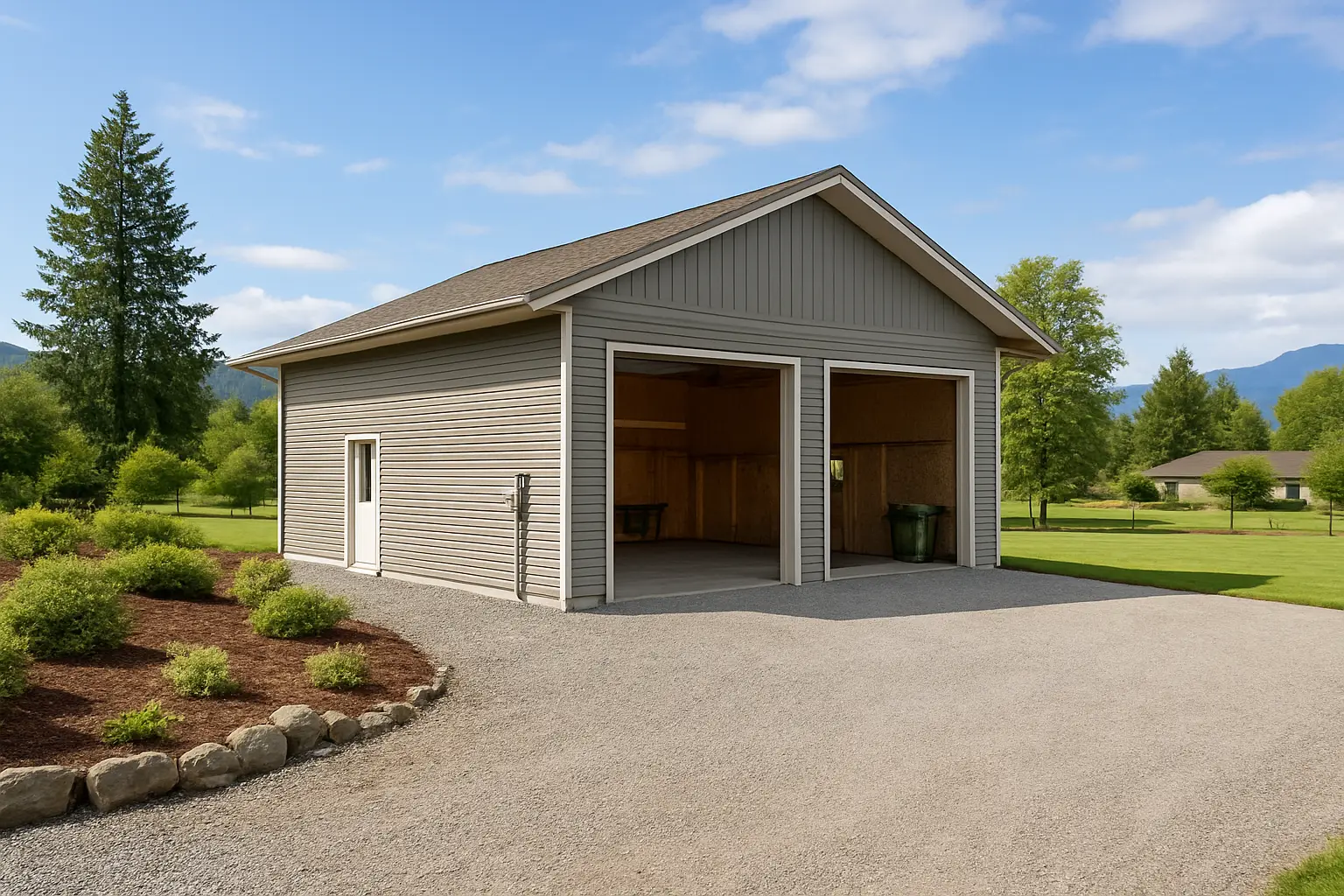
A buyer may be attracted to:
a large detached shop;
equipment storage;
horse facilities;
barns;
workshops;
greenhouses;
garages;
studios;
guest buildings;
hobby spaces; or
agricultural structures.
These features can significantly influence a buyer's decision.
But rural properties also have more variables than standard residential homes.
A detached building may have:
different zoning considerations;
separate permit history;
unique servicing requirements;
limitations on occupancy;
insurance restrictions;
maintenance concerns;
access issues; or
restrictions based on Agricultural Land Reserve (ALR) rules.
The purpose of due diligence is not to assume a problem exists.
It is to understand exactly what you are purchasing.
A Shop Is Not Automatically a Legal Garage, Workshop or Business Space
One of the most common mistakes buyers make is assuming a building's appearance tells them everything about its approved use.
A large detached structure may look like the perfect workshop, commercial space or storage building.
However, the approved use may be different.
For example:
A building may be approved as:
an accessory building;
agricultural storage;
a garage;
a farm building;
a workshop; or
another permitted use.
Those categories can have different rules.
Questions to Ask About a Shop
Before relying on a shop as part of your acreage purchase, ask:
What is the approved use of the building?
Was the structure permitted?
Are the dimensions consistent with available records?
Were renovations completed after construction?
Has electrical service been added or upgraded?
Has plumbing been installed?
Are heating systems present?
Is the current use permitted?
Is commercial activity allowed?
Does zoning restrict how the building can be used?
A workshop that is perfect for personal hobbies may not automatically be suitable for operating a business.
A building with electrical service may not automatically be approved for every type of equipment or activity.
Verify Outbuilding Permits Before You Rely on Them
Permits are one of the most important parts of rural-property due diligence.
A listing description may mention:
“large shop”;
“new barn”;
“heated workshop”;
“guest building”; or
“finished secondary structure.”
Those descriptions may be accurate from a marketing perspective, but buyers should verify the details.
Useful Permit Questions
Ask:
Was the building constructed with permits?
Are permits available through the local government?
Were electrical, plumbing or mechanical permits required?
Were later additions approved?
Does the current structure match approved plans?
Was any interior space converted after construction?
Local governments in BC are responsible for many building-permit and zoning matters.
The applicable municipality or regional district should be contacted for property-specific information.
For Fraser Valley buyers, this may include local governments such as:
City of Abbotsford;
City of Chilliwack;
Township of Langley;
District of Mission; or
another applicable authority.
Electrical Systems Need Separate Attention
A large shop or barn often includes electrical service.
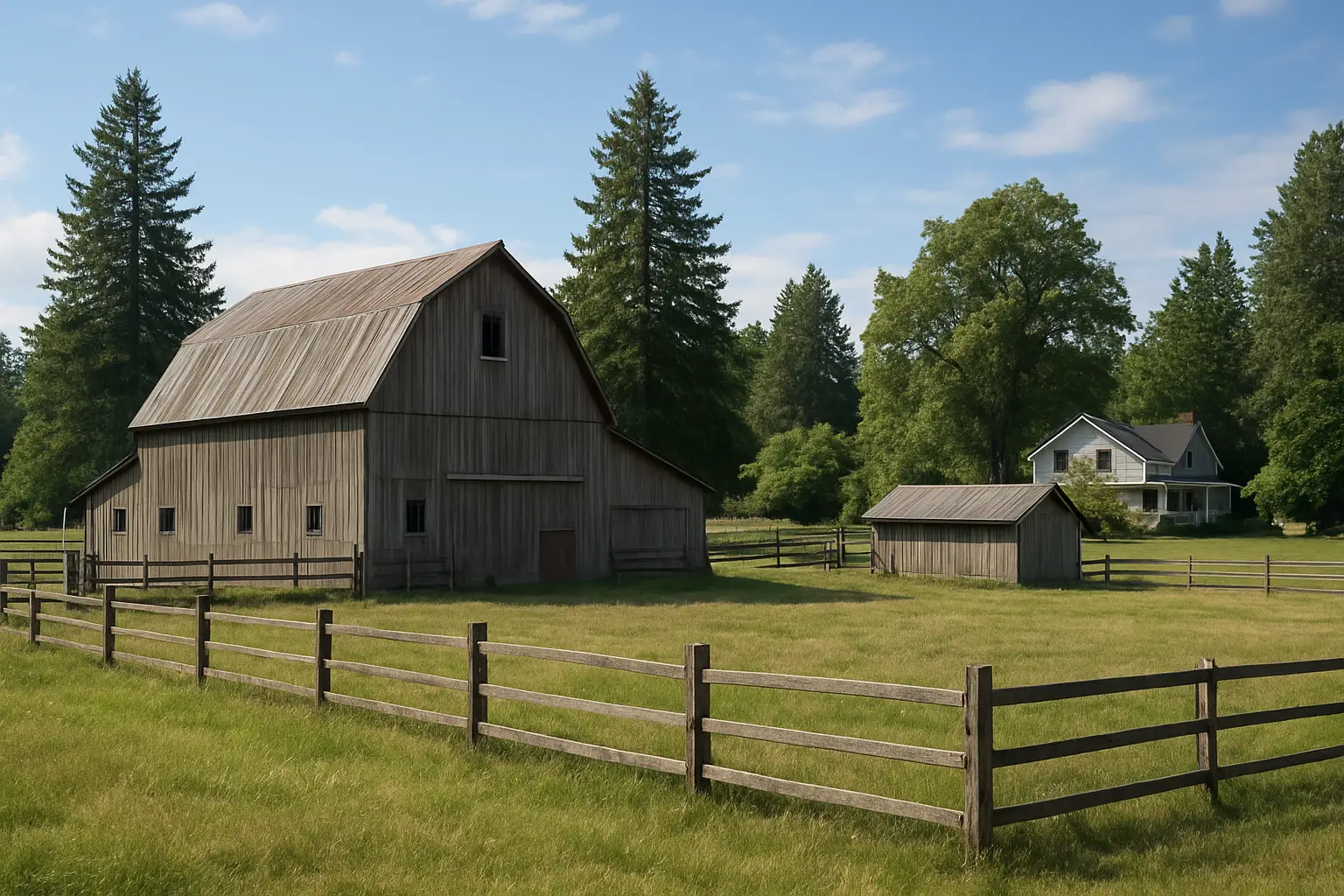
That can be extremely useful for acreage owners.
However, buyers should verify the electrical work rather than assuming it meets current requirements.
Questions may include:
Was the electrical installation completed by an appropriate professional?
Are permits available?
Was the service upgraded?
Are panels and wiring suitable for the intended use?
Are there additional sub-panels?
Are exterior electrical systems properly installed?
Are there specialized connections for equipment?
Technical Safety BC oversees electrical safety in British Columbia and provides information about regulated electrical work.
Why This Matters
A buyer may plan to use a shop for:
welding;
machinery;
vehicle restoration;
woodworking;
agricultural equipment;
charging systems;
commercial activities; or
other specialized purposes.
The existing electrical setup may or may not support those plans.
Confirm before assuming.
Plumbing and Water Connections Require Verification
Some acreage outbuildings include:
sinks;
bathrooms;
kitchen areas;
wash stations;
plumbing fixtures;
drainage systems.
These additions can dramatically change how useful a building appears.
But plumbing creates another layer of questions.
Verify:
Was plumbing installed properly?
Was approval required?
Is the building connected to septic?
Does the septic system support the additional use?
Are water connections documented?
Is the space approved for occupancy?
A bathroom in a shop does not automatically mean the building is a legal residence.
A sink in a barn does not automatically mean the building can support any commercial or agricultural activity.
Secondary Buildings: The Difference Between Useful Space and Living Space
Many acreage buyers are interested in secondary buildings because they provide flexibility.
A detached building may appear ideal for:
guests;
family members;
rental income;
home office;
studio space;
recreation;
workshops.
However, buyers should carefully distinguish between:
a useful accessory building
and
a legal secondary dwelling.
These are not the same thing.
Questions About Secondary Buildings
Before considering a secondary structure part of your lifestyle plans, ask:
Is it approved as living space?
Does it have legal occupancy status?
Does it meet applicable building requirements?
Is it connected properly to water and wastewater systems?
Is it permitted as a dwelling?
Does zoning allow the intended use?
Does insurance recognize the use?
Do not assume a finished interior automatically means a building is approved for residential occupancy.
Barns and Agricultural Buildings Require Extra Questions
Barns are common throughout Fraser Valley rural communities, including parts of Abbotsford, Chilliwack, Langley Township, Mission and surrounding agricultural areas.
They may support:
horses;
livestock;
hay storage;
agricultural equipment;
feed storage;
farming activities.
But the buyer should understand the purpose and condition of the structure.
Questions to Ask About a Barn
Investigate:
What was the barn designed for?
Is it currently used for agricultural purposes?
Is the use allowed under zoning?
Is it located within the ALR?
Are stalls, electrical systems and plumbing approved?
Is drainage adequate?
Is ventilation suitable?
Are there structural concerns?
Has the building been maintained?
A barn designed for one purpose may not easily convert to another use.
ALR Considerations for Acreage Outbuildings
Many Fraser Valley acreages are located within the Agricultural Land Reserve.
The ALR protects agricultural land and regulates certain land uses.
This matters because buyers sometimes purchase acreage expecting to add:
another residence;
a business;
a large shop;
additional structures;
recreational facilities;
rental accommodations.
Physical space does not always equal permission.
Before assuming an outbuilding can be expanded, converted or used commercially, verify:
local zoning;
ALR regulations;
permitted uses;
required approvals.
The Agricultural Land Commission provides information about land-use rules within the ALR.
Insurance Questions Before Buying an Acreage With Outbuildings
Insurance is another area buyers often overlook.
A building that exists on the property may still require specific insurance considerations.
Ask your insurance provider:
Is the structure covered?
Is the intended use covered?
Are there limitations for agricultural buildings?
Are detached workshops treated differently?
Are commercial activities excluded?
Are additional inspections required?
Does the insurer require documentation?
A building that works perfectly for your plans may create insurance issues if the intended use is not disclosed or covered.
Condition Matters: Older Shops and Barns Need Inspection
Even a permitted building may not be suitable for your plans.
Acreage outbuildings can experience:
moisture problems;
roof deterioration;
foundation movement;
drainage issues;
pest damage;
electrical concerns;
structural wear;
poor ventilation.
A large building can represent significant value—or significant future maintenance.
Consider Inspecting:
roof condition;
foundation;
framing;
doors;
drainage;
electrical systems;
plumbing;
heating;
ventilation;
insulation;
interior finishes;
exterior materials.
The inspection approach should match the type of structure.
A residential home inspection may not cover every specialized agricultural or commercial building concern.
Access and Practical Use Are Often Overlooked
A shop or barn may look excellent online but function differently in reality.
Consider:
Is there enough driveway width?
Can vehicles access the building?
Can trailers enter?
Is there enough turning space?
Is the road suitable for equipment?
Is there year-round access?
Is drainage adequate?
Is snow or weather access a concern?
Are there easements affecting access?
For rural properties, practical usability matters as much as the building itself.
Fraser Valley Acreage Markets Have Different Property Types
The Fraser Valley includes many different acreage lifestyles.
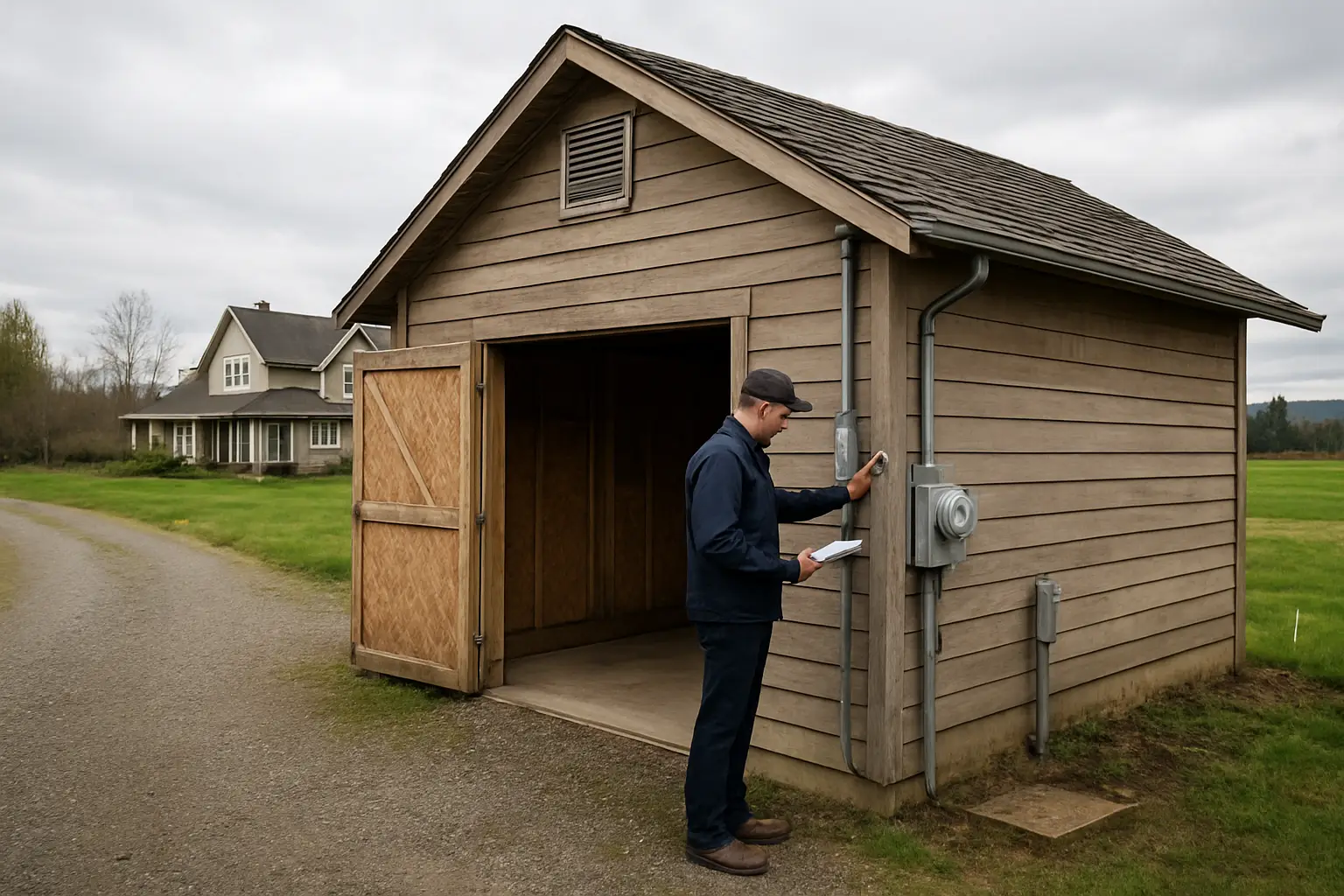
Abbotsford Acreages
Abbotsford acreage properties may include:
agricultural operations;
hobby farms;
equestrian properties;
large workshops;
rural residences;
greenhouse operations.
When reviewing Abbotsford acreage listings, look beyond lot size and focus on what buildings actually exist and how they are used.
Chilliwack Acreages
Chilliwack includes rural properties ranging from agricultural parcels to lifestyle acreages.
Properties around areas such as Yarrow and Greendale may have different building histories, agricultural uses and zoning considerations.
Review available Chilliwack acreage listings with the intended use of each building in mind.
Langley and Mission Rural Properties
Rural properties closer to growing communities may include:
large workshops;
hobby farms;
equestrian facilities;
residential acreages.
However, increased demand can also mean buyers compete strongly for properties with unique outbuildings.
That makes verification even more important before making assumptions.
A Practical Outbuilding Due Diligence Checklist
Before buying acreage with a shop, barn or secondary building, review:
Building Status
Confirm what each building is approved for.
Verify permits where applicable.
Confirm additions or renovations.
Compare the actual structure with available records.
Utilities
Verify electrical systems.
Confirm plumbing installations.
Understand water and septic connections.
Identify heating systems.
Use
Confirm intended use is permitted.
Check zoning restrictions.
Review ALR considerations.
Verify whether commercial activity is allowed.
Insurance
Confirm coverage availability.
Discuss intended use.
Ask about detached structures.
Review any exclusions.
Condition
Inspect structure.
Review roof and drainage.
Check moisture issues.
Evaluate maintenance requirements.
Access
Confirm vehicle access.
Review driveway conditions.
Check equipment access.
Consider year-round usability.
Questions to Ask Before Making an Offer
Before writing an offer on an acreage with significant outbuildings, ask:
About the Building
What is this structure officially classified as?
Are permits available?
Has it been modified?
What was it originally designed for?
About Utilities
Is electrical work documented?
Is plumbing approved?
Does it connect to the property's septic system?
Are there limitations on use?
About Future Plans
Can I use this building the way I intend?
Can I operate a business from it?
Can it become living space?
Are additional approvals required?
About Records
Are permits available?
Are inspection reports available?
Are renovation records available?
Are maintenance records available?
A Shop or Barn Can Add Value—If You Verify What You Are Buying
Outbuildings are one of the biggest attractions of acreage living in BC.
A quality workshop can provide incredible flexibility.
A well-maintained barn can support rural lifestyles.
A secondary structure can add practical space.
But the value comes from understanding the building—not simply seeing it.
Before buying acreage with a shop, barn or secondary building:
verify permits;
confirm approved use;
investigate utilities;
check zoning;
review insurance;
inspect condition;
understand access;
confirm your intended use is realistic.
The goal is not to avoid properties with outbuildings.
The goal is to buy one with clear information.
Explore current Fraser Valley acreage listings, learn more about buying with The Valley Life, or contact The Valley Life when you are ready to discuss your acreage search.
Frequently Asked Questions
Does a shop increase the value of an acreage?
A shop can contribute to a property's appeal and market value, but the impact depends on factors such as condition, permitted use, quality, location and buyer demand.
Does a barn mean an acreage is a farm?
No.
A barn may support agricultural activity, but its existence alone does not determine farm classification, permitted use or legal status.
Can I live in a secondary building on an acreage?
Not necessarily.
A secondary building must be reviewed based on approvals, zoning, building requirements and occupancy status before being considered living space.
Do all acreage outbuildings need permits?
Requirements depend on the structure, location, use, construction details and applicable local regulations. Verify property-specific information with the appropriate authority.
Can I run a business from an acreage shop?
Not automatically.
Business use may depend on zoning, permits, ALR rules, insurance and other requirements.
Should I inspect a barn or workshop before buying?
Yes.
A specialized building should be evaluated based on its condition and intended use.
Final Thoughts: Verify the Building Behind the Listing Photos
A shop, barn or secondary building can be one of the best features of a Fraser Valley acreage.
It can provide space, flexibility and opportunities that are difficult to find in urban neighbourhoods.
But rural properties require careful verification.
The right questions before buying are not only:
“Does this property have a shop?”
They are:
“Is the shop approved?”
“Can I use it the way I need?”
“Are the utilities and insurance appropriate?”
“Does the building match the records?”
“Will this structure continue to serve my plans?”
Acreage buyers who verify these details before making an offer can make more informed decisions and avoid surprises after moving in.
 The data relating to real estate on this website comes in part from the MLS® Reciprocity program of either the Greater Vancouver REALTORS® (GVR), the Fraser Valley Real Estate Board (FVREB) or the Chilliwack and District Real Estate Board (CADREB). Real estate listings held by participating real estate firms are marked with the MLS® logo and detailed information about the listing includes the name of the listing agent. This representation is based in whole or part on data generated by either the GVR, the FVREB or the CADREB which assumes no responsibility for its accuracy. The materials contained on this page may not be reproduced without the express written consent of either the GVR, the FVREB or the CADREB.