

A pre-listing home inspection in the Fraser Valley can help some sellers understand their property's condition before buyers start asking questions. But it is not something every homeowner needs to do before putting a property on the market.
For one seller, an inspection may reveal a manageable repair that is easier to deal with before listing. For another, it may add cost and complexity without materially improving the sale.
The right decision depends on the property's age, condition, location, systems, your timeline, and what you plan to do if the inspection uncovers a significant issue.
If you are preparing to sell in Langley, Abbotsford, Mission, Chilliwack, Surrey, or another Fraser Valley community, the better question is not simply, “Should every seller get an inspection?”
It is:
“Would knowing more about this particular property before listing help me make better selling decisions?”
Quick Answer: Should a Seller Get a Home Inspection Before Listing?
Sometimes.
A seller inspection before listing in BC may make sense when:
the home is older;
there have been several renovations or additions;
you are unsure about parts of the property's maintenance history;
there are visible condition issues buyers are likely to notice;
the property has complex or rural systems;
you have enough time to investigate and respond to findings before listing.
It may be less useful when:
the home is relatively straightforward and well documented;
your selling timeline is extremely short;
the cost would not meaningfully change your preparation strategy;
you would not have time to investigate or address significant findings.
A pre-listing inspection is not mandatory, and it should not automatically be presented as the best choice for every seller.
Before ordering one, discuss the practical implications with your real estate professional. If significant defects or disclosure questions arise, appropriate legal or other qualified professional guidance may also be necessary.
What Is a Pre-Listing Home Inspection?
A pre-listing inspection, sometimes called a pre-sale home inspection, is arranged by the seller before the property is listed or before buyers begin their own inspection process.

A qualified home inspector reviews accessible parts of the home and reports on visible conditions within the scope of the inspection.
Depending on the property, this may include areas such as:
roofing and exterior components;
attic and insulation;
foundation and structure;
electrical systems;
plumbing;
heating and cooling systems;
windows and doors;
interior conditions;
crawlspaces or basements;
visible moisture-related concerns.
An inspection does not guarantee that every possible defect will be found. It is generally a visual assessment, and some conditions may require further investigation by a contractor, engineer, electrician, plumber, roofer, septic professional, or another specialist.
The main benefit for a seller is not obtaining a “perfect report.”
It is gaining information early enough to make better decisions.
What Are the Potential Benefits of a Pre-Listing Inspection?
You May Discover Problems Before Buyers Do
A buyer discovering an unexpected issue during their own inspection can change the tone of negotiations.
If the same issue is discovered before listing, you may have more time to understand it properly.
That could give you time to:
obtain an expert opinion;
get repair estimates;
complete selected repairs;
gather supporting documents;
adjust your preparation strategy;
discuss how the condition may affect pricing.
Having more time does not necessarily make the issue disappear, but it can make the situation easier to manage.
You Can Prioritize Repairs More Carefully
Sellers often spend money before listing without knowing which improvements actually matter.
A pre-listing inspection may help distinguish between cosmetic improvements and more important property-condition issues.
For example, repainting a bedroom may improve presentation, but a known roof leak or electrical issue may deserve attention first.
Before making significant improvements, review The Valley Life's guide to preparing your home for sale.
You May Reduce Last-Minute Surprises
Real estate transactions often operate under short timelines.
When a buyer's inspection identifies something unexpected, the seller may suddenly have only a few days to obtain estimates, evaluate options, renegotiate, or determine the seriousness of the issue.
Finding the issue earlier may create more breathing room.
You Can Organize Better Documentation
If repairs or servicing are completed before listing, keep relevant documentation.
Useful records may include:
contractor invoices;
permits where applicable;
warranties;
roof replacement records;
furnace or heat pump servicing;
electrical work documentation;
plumbing repairs;
septic or well records for rural properties.
Good documentation can help answer buyer questions more clearly.
What Are the Trade-Offs of a Pre-Listing Home Inspection?
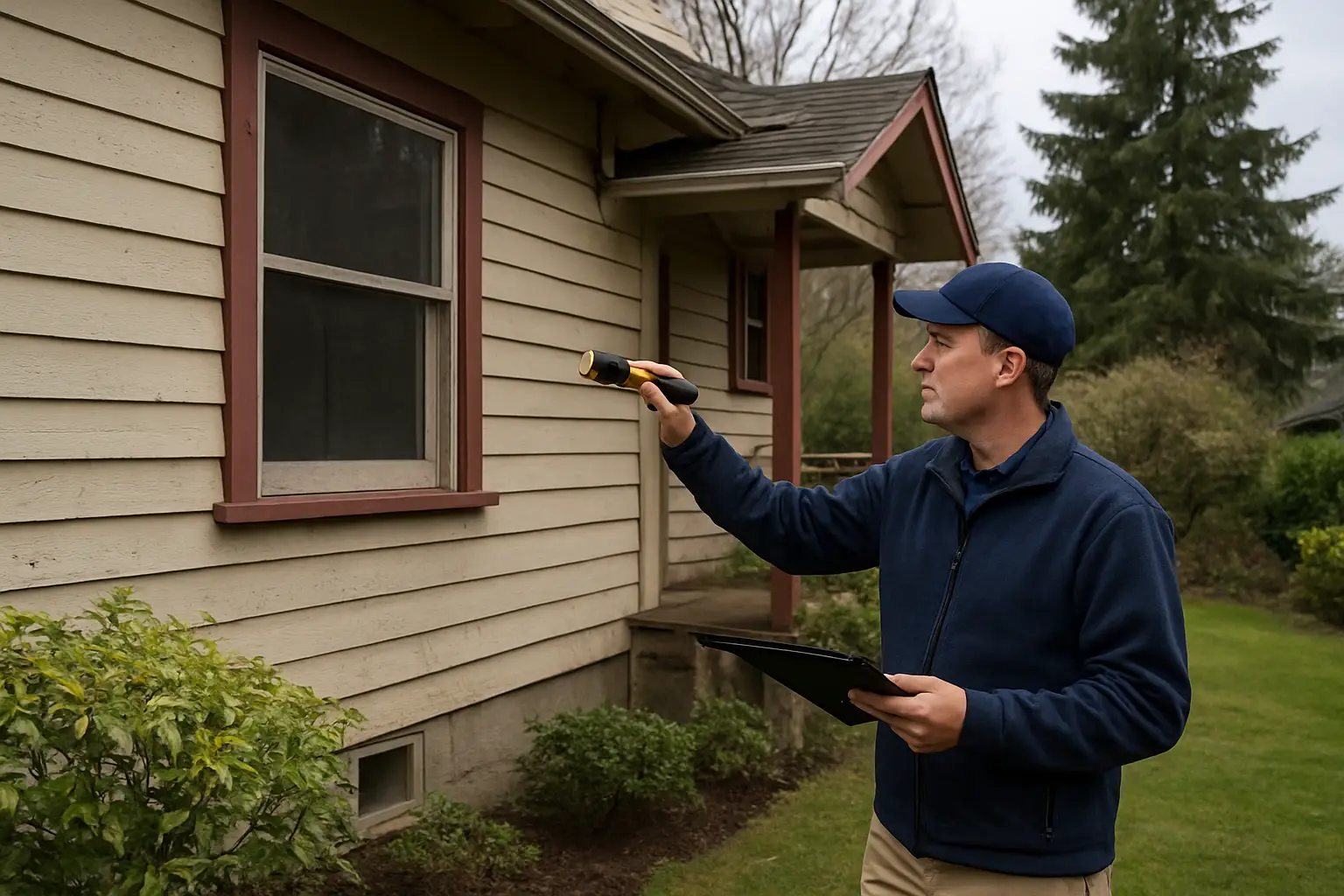
A balanced seller strategy also needs to consider the disadvantages.
The Inspection Costs Money
There is an upfront cost to ordering the inspection.
Additional findings can also lead to further expenses if the inspector recommends review by another professional.
A relatively simple inspection can therefore lead to contractor estimates, specialist assessments, repairs, or additional documentation costs.
You May Discover an Issue You Were Not Expecting
One of the main purposes of an inspection is to uncover problems.
That means sellers need to be prepared for the possibility that the report will identify something significant.
Before ordering the inspection, consider:
What will I do if the inspector identifies a major concern?
Possible next steps could include further investigation, repairing the issue, adjusting the sale strategy, or obtaining appropriate professional advice.
Buyers May Still Want Their Own Inspection
A pre-listing inspection does not necessarily eliminate the buyer's inspection.
Some buyers will still prefer to hire their own inspector and complete independent due diligence.
The seller's report should therefore be viewed as a preparation tool rather than a guaranteed way to remove inspection conditions from future offers.
Inspection Findings Can Raise Disclosure Questions
This is an important consideration.
Information discovered during an inspection can sometimes affect what sellers and their representatives need to consider when marketing the property.
This article does not provide legal advice about disclosure obligations.
If a significant condition is identified, discuss it with your real estate professional and obtain legal or other qualified professional advice when appropriate.
Five Questions to Ask Before Getting a Pre-Listing Inspection
1. How Old Is the Home?
An older home is not automatically a problem.
However, older homes may contain more components with long maintenance histories, renovations, repairs, additions, or systems that have reached different stages of their useful life.
That can make an early condition review more valuable.
2. How Well Do You Know the Property's History?
A homeowner who has lived in the property for twenty years may know exactly when the roof, furnace, plumbing, windows, and electrical work were updated.
The situation can be different for:
inherited properties;
estate sales;
rental homes;
properties owned for a short period;
homes with incomplete renovation records.
The less you know about the property's history, the more useful an early inspection may become.
3. Do You Have Time to Respond to the Findings?
Timing matters.
An inspection is generally more useful when it happens early enough to allow you to:
investigate important findings;
get contractor estimates;
complete selected repairs;
gather documents;
review the listing strategy.
Ordering an inspection immediately before photography may leave very little time to use the information properly.
4. What Would You Do If the Report Finds Something Significant?
Think about this before booking the inspection.
Would you:
repair the issue;
obtain a specialist report;
sell without completing the repair;
reconsider your listing date;
adjust your pricing expectations?
There is no universal answer.
The best response depends on the nature of the problem, the property's value, market competition, repair costs, buyer expectations, and your timeline.
5. What Type of Property Are You Selling?
The decision may look very different depending on whether you are selling:
a newer condo;
a Fraser Valley townhome;
an older detached house;
a renovated character home;
a property with a secondary suite;
a rural acreage;
an estate property;
a home with major outbuildings.
Inspection strategy should match the property rather than follow a generic rule.
Pre-Listing Inspections for Older Fraser Valley Homes
The Fraser Valley contains a wide range of housing ages.
A newer Willoughby townhome and a decades-old detached property in Brookswood, Abbotsford, Mission, or Chilliwack may present very different maintenance questions.
For an older home, sellers may want to understand:
approximate roof age;
electrical system updates;
plumbing materials;
furnace or heating system age;
drainage conditions;
attic ventilation;
crawlspace conditions;
evidence of past moisture entry;
foundation conditions;
renovation history;
additions or alterations.
None of these automatically means there is a defect.
They simply create more property history for buyers to evaluate.
If you plan to make improvements before selling, connect inspection findings with your broader home preparation strategy rather than treating the inspection report as a mandatory renovation checklist.
What About Rural and Acreage Properties?
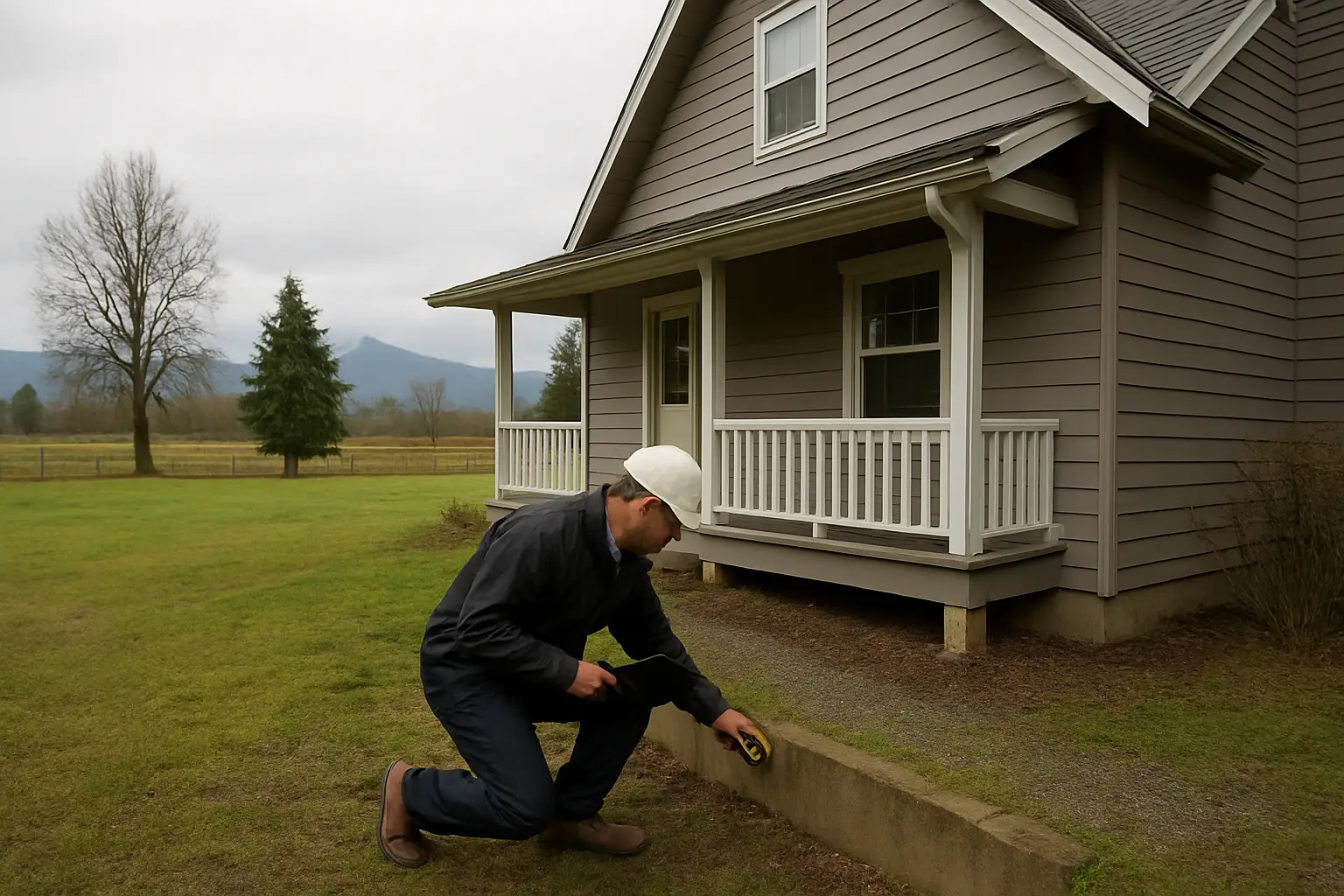
A Fraser Valley seller inspection can become more complicated on rural properties.
A standard inspection of the home may not answer every question involving the land or private systems.
Depending on the property, sellers may also need to consider:
private wells;
septic systems;
barns;
workshops;
detached garages;
drainage;
private roads;
retaining structures;
wood-burning appliances;
agricultural buildings;
older additions;
water treatment equipment.
Ask Exactly What the Inspection Includes
Do not assume a standard home inspection automatically includes every rural system.
Before booking, ask questions such as:
Is the well included?
Is water quality testing included?
Is the septic system included?
Are detached buildings included?
Is the barn included?
Are fireplaces or wood stoves included?
Does the inspector evaluate drainage around the property?
Which areas require separate specialists?
Rural sellers may benefit from thinking about inspection as part of a larger property-information package rather than one single report.
Should You Repair Everything the Inspector Finds?
Usually, no.
Inspection reports can contain a large number of observations, ranging from routine maintenance to potentially more significant issues.
Trying to fix every line in a report can quickly become expensive and may not improve the sale enough to justify the cost.
A better approach is to prioritize findings.
Consider the Severity
Is the issue cosmetic, maintenance-related, safety-related, or potentially significant?
Consider Buyer Expectations
A buyer purchasing a recently renovated home may have different expectations from someone purchasing an older rural property.
Consider the Cost
A repair should make financial sense within the broader selling strategy.
Consider Timing
A repair that delays your listing for several months may have different consequences from something that can be completed in two days.
Consider Market Value
Before spending heavily, understand the likely value of your property and how it compares with competing listings.
You can start with a free home evaluation from The Valley Life.
How Early Should You Arrange a Pre-Listing Inspection?
If you decide to have one, earlier is generally more useful than later.
Ideally, the inspection should leave enough time to:
review the complete report;
ask the inspector questions;
obtain specialist advice where necessary;
get repair estimates;
complete selected work;
gather documentation;
prepare the home;
complete photography;
finalize pricing;
launch the listing.
For many sellers, the inspection decision should happen during the early preparation stage rather than immediately before the property goes live.
How Inspection Findings Can Affect Your Pricing Strategy
Condition is only one part of value.
Pricing also depends on:
neighbourhood;
property type;
lot size;
usable space;
renovations;
competing listings;
recent comparable sales;
buyer demand;
location;
market conditions.
A $10,000 repair does not automatically increase a property's market value by $10,000.
Similarly, leaving a repair incomplete does not automatically reduce the home's value by the exact repair cost.
Buyer perception matters.
This is why inspection, preparation, valuation, and pricing should be considered together.
Before committing to major inspection-related work, request a free home evaluation so you understand the property's likely competitive range.
Could a Pre-Listing Inspection Help the Sale Go More Smoothly?
Potentially.
A seller who understands the property's condition can often answer questions more confidently.
But a pre-listing inspection cannot guarantee:
a faster sale;
a higher sale price;
no buyer inspection;
no negotiation;
no future repair requests;
no additional due diligence.
The inspection should therefore be judged by whether it improves your preparation and decision-making—not by promises that it will automatically make the transaction easier.
When a Pre-Listing Inspection May Be Worth Considering
It may be particularly useful when:
the home is older;
you are unsure about important systems;
several renovations have been completed;
there have been past water or drainage issues;
you want time to investigate known concerns;
you own a complex rural property;
the home has additions or outbuildings;
you want clearer repair priorities before spending money;
your listing timeline is flexible.
When It May Be Less Useful
You may decide against one when:
the home is relatively new and well documented;
there are no known condition concerns;
your timeline is extremely compressed;
you would not have time to act on findings;
the cost would not change your selling plan;
another specialist review is more relevant to the property's main concern.
The decision should remain property-specific.
What Should Fraser Valley Sellers Do Before Booking an Inspection?
Before scheduling anything, review the larger selling plan.
Understand Your Likely Home Value
Knowing the probable value range helps you decide how much preparation spending makes sense.
Start with a free home evaluation.
Review Your Preparation Priorities
Inspection is only one part of preparing a property.
Cleaning, decluttering, landscaping, repairs, photography, staging, documents, pricing, and launch timing may matter just as much.
Read more about how to prepare your home for sale.
Consider Your Timeline
If you need to sell quickly, understand whether an inspection will actually help or simply introduce another step.
Discuss the Decision With Your Real Estate Professional
The decision should reflect:
your property;
neighbourhood;
condition;
likely buyers;
market competition;
timeline;
selling goals.
For a property-specific plan, learn more about selling with The Valley Life.
Important Note About Disclosure and Professional Advice
A pre-listing inspection can reveal information that a seller did not previously know.
The appropriate response depends on the specific issue and circumstances.
This article is general educational information only and does not provide legal advice about seller disclosure obligations in British Columbia.
If a significant defect is discovered or there is uncertainty about disclosure requirements, sellers should consult their real estate professional and seek independent legal or other qualified professional advice where appropriate.
Useful independent resources include:
BC Financial Services Authority: https://www.bcfsa.ca/public-resources/real-estate
Home Inspectors Association BC: https://hiabc.ca/
Government of British Columbia — Justice Resources: https://www2.gov.bc.ca/gov/content/justice
Frequently Asked Questions
Is a pre-listing home inspection mandatory in BC?
No. Sellers are not automatically required to order a pre-listing home inspection. It is an optional tool that may be helpful depending on the property, condition, timeline, and selling strategy.
Should a seller get a home inspection before listing?
Sometimes. It can be useful when understanding the property's condition earlier would improve preparation or reduce surprises. It is not necessarily beneficial for every seller.
Will buyers still order their own inspection?
They may. Buyers can still choose to arrange an independent inspection or other due diligence even when the seller has already completed a pre-listing inspection.
Is a pre-listing inspection more useful for an older house?
It can be. Older homes often have longer maintenance and renovation histories, which may make early condition information more valuable. Age alone, however, does not mean the home has serious defects.
Does a home inspection cover a well and septic system?
Not necessarily. Standard home inspection scope varies, and rural systems may require separate qualified professionals. Confirm exactly what is included before booking the inspection.
What happens if the inspector finds a major problem?
Clarify the finding and obtain appropriate specialist advice. Then consider repair, pricing, timing, and disclosure implications with your real estate professional. Seek independent legal advice where disclosure obligations are uncertain.
Should I repair everything in the inspection report?
Usually not. Prioritize important conditions, buyer concerns, safety issues, repair costs, timing, and likely impact on the sale rather than treating every inspection comment as a mandatory repair.
How early should I arrange the inspection?
If you choose to have one, allow enough time before listing to review findings, obtain estimates, consult specialists, complete selected repairs, and prepare documentation.
Final Takeaway: Is a Pre-Listing Inspection Right for Your Fraser Valley Home?
A pre-listing home inspection in the Fraser Valley can be valuable, but it should solve a real seller problem.
It may help when you need more certainty about an older home, a complex property, previous renovations, rural systems, or conditions that buyers are likely to investigate closely.
It may be unnecessary when the property is straightforward, well documented, or your timeline leaves little opportunity to act on the findings.
The strongest approach is to connect the inspection decision with four things:
condition, preparation, value, and timing.
Before spending money, understand how your home is likely to compete and which preparation steps are most likely to matter.
If you are considering selling in the Fraser Valley, book a seller consultation with The Valley Life to build a pre-listing plan around your specific property, timing, market position, and next move.
 The data relating to real estate on this website comes in part from the MLS® Reciprocity program of either the Greater Vancouver REALTORS® (GVR), the Fraser Valley Real Estate Board (FVREB) or the Chilliwack and District Real Estate Board (CADREB). Real estate listings held by participating real estate firms are marked with the MLS® logo and detailed information about the listing includes the name of the listing agent. This representation is based in whole or part on data generated by either the GVR, the FVREB or the CADREB which assumes no responsibility for its accuracy. The materials contained on this page may not be reproduced without the express written consent of either the GVR, the FVREB or the CADREB.