.png)

Finding the right Fraser Valley acreage is only part of the buying process.
Before removing subjects, buyers should also determine whether they can arrange insurance that works for the specific property and satisfies any requirements connected with their financing.
That conversation can be more detailed for a rural home than for a conventional city house.
An acreage might include:
a detached house;
barns or workshops;
a private well;
an onsite septic system;
wood-burning appliances;
propane or other heating systems;
long or private driveways;
forested land;
agricultural activity;
horses or other animals;
home-based business activity;
buildings located well away from the main residence.
Insurance Bureau of Canada says insurers consider characteristics that make an individual property different, including heating systems, additional structures, rental or business use and other property features. IBC specifically recommends speaking with an insurer before buying or renting a property with a wood stove because inspection requirements and insurance availability can be affected.
None of that means a rural property is automatically difficult to insure.
It means acreage buyers should have the insurance conversation early enough to investigate the actual property rather than assuming a standard suburban policy will apply in exactly the same way.
If you are still looking for a property, browse current Fraser Valley acreage listings and use the questions below when a listing becomes a serious purchase candidate.
Rural Home Insurance in the Fraser Valley: The Quick Checklist
Before subject removal, consider asking an insurer or broker about:
The important point is to ask these questions about the actual acreage, not rural properties generally.
Why Insurance Should Be Investigated Before Subject Removal
A mortgage pre-approval is not final approval of every property you may choose.
The Financial Consumer Agency of Canada notes that before approving a mortgage, a lender verifies that the property meets its standards, and those standards vary by lender.
For an acreage buyer, that creates two separate conversations:
Ask the Insurer
“Based on the actual property details, what information do you need before confirming the insurance arrangements available to me?”
Ask the Lender
“What insurance confirmation do you require for this property, and when do you need it?”
Do not assume that arranging financing first means the insurance side can wait until the day before completion.
When financing, insurance and a rural property's unique characteristics overlap, resolving the questions earlier gives everyone more time to deal with missing records, inspections or property details.
1. Ask About Rural Road and Driveway Access
Acreage access can look very different across the Fraser Valley.
A property may have:
a long gravel driveway;
a steep driveway;
a private road;
shared access;
gated access;
seasonal conditions;
substantial distance between the public road and the house.
Insurance Bureau of Canada specifically advises owners of properties with limited access to discuss available insurance options with their broker or agent.
That makes access a reasonable early question for rural buyers.
Questions to Ask
Does the length or condition of the driveway matter?
Does the road need to meet any particular access standard?
Is the road public, private or shared relevant to your assessment?
Do you require information about year-round access?
Does a gate affect emergency access requirements?
Do you need to know the distance from the public road to the residence?
Is there anything about this property's access that I should disclose before receiving a final quote or confirmation?
The goal is not to decide for yourself whether access is “good enough.”
Give the insurer accurate property information and let them tell you what matters to their underwriting.
2. Describe Every Building on the Acreage
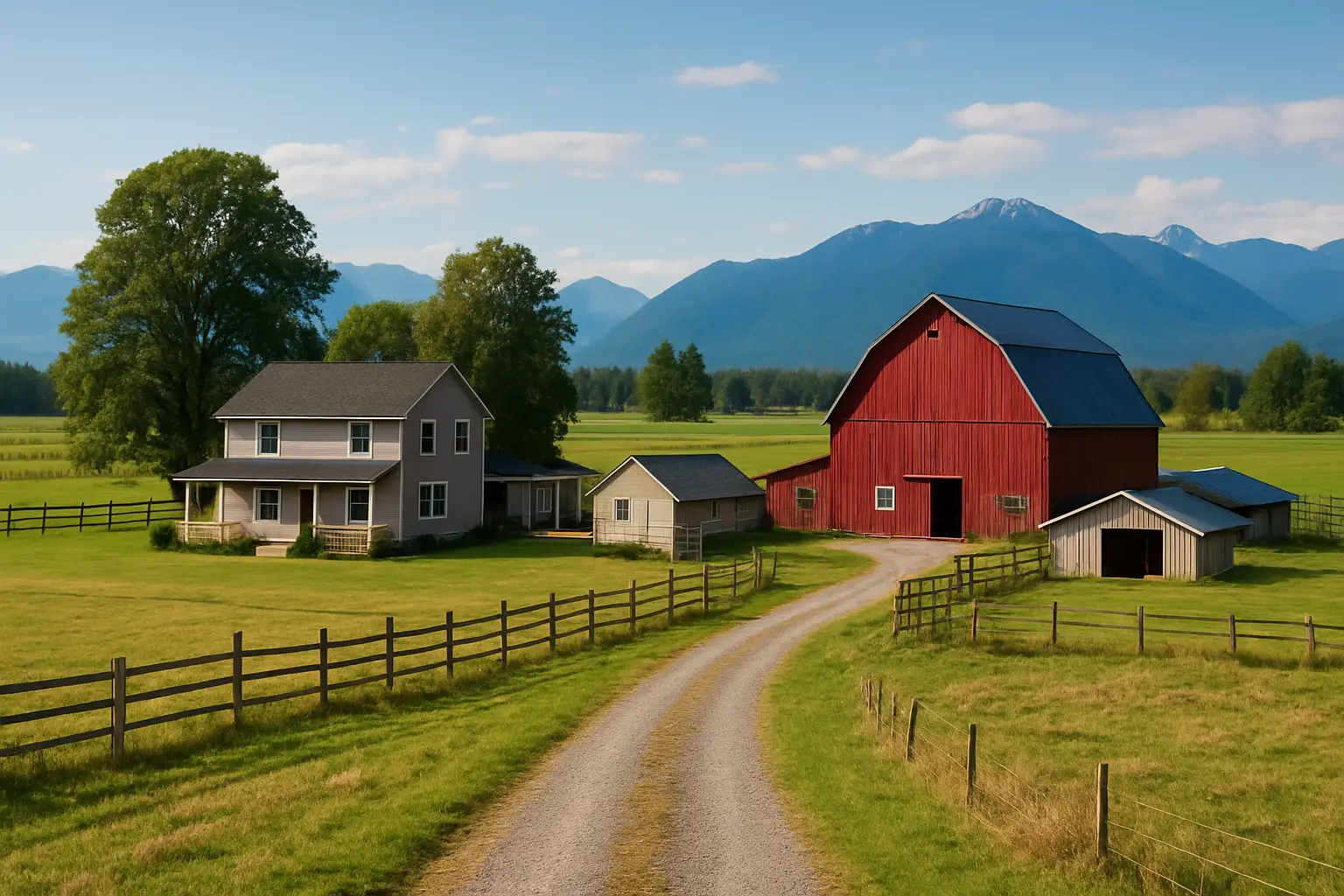
A Fraser Valley listing may advertise a house on five acres, but the house might be only one of several structures.
There could also be:
a barn;
workshop;
detached garage;
equipment shed;
greenhouse;
storage building;
riding structure;
cabin;
older farm building.
IBC identifies additional structures such as separate garages and detached office buildings as property characteristics an insurer may want to know about.
Ask About Each Significant Structure
For example:
“The property has a main residence, detached workshop, older barn and equipment shed. What information do you need about each one?”
Then ask:
Are all of these structures considered when arranging the policy?
Do you need their approximate size?
Do you need their construction type?
Does building age matter?
Do you need information about electrical or heating systems in the outbuildings?
Does the use of the barn or shop change the insurance requirements?
Is there anything that needs inspection before coverage can be confirmed?
How should contents or equipment stored in a detached structure be discussed?
Do not assume that because a barn is included in the property's purchase price it automatically receives the same treatment as the residence.
3. Ask About Heating Before Buying the Property
Heating systems deserve an early conversation.
A rural Fraser Valley property may use:
natural gas;
electric heat;
propane;
a heat pump;
a wood stove;
a fireplace;
multiple heating sources.
IBC specifically notes that wood stoves can affect the availability and affordability of home insurance and advises prospective buyers to speak with the insurer before purchasing a home with one. An insurer may request an inspection.
IBC also recommends keeping furnaces, wood stoves and other heating sources properly inspected, maintained and cleaned.
Questions for a Property With a Wood Stove or Fireplace
Ask:
Do you need an inspection?
Is there a particular type of inspection or documentation you accept?
Does the installation date matter?
Do you need information about chimney condition?
Does the stove need a certification label or other documentation?
What information should I obtain from the seller?
Does the appliance need to be inspected before you can confirm insurance?
Do not wait until after subject removal to discover that documentation you expected to receive does not exist.
4. Ask About the Private Well
Many rural properties use private water systems rather than municipal water.
A well is primarily a property, health and maintenance issue rather than something a buyer should assume has a standard insurance treatment.
That is exactly why the question should be direct.
Ask the Insurer
Do you need to know that the property uses a private well?
Do you require information about the well?
Does the well house or pump equipment need to be identified separately?
Are there policy limitations or conditions relating to well equipment that I should understand?
What water-related events should I specifically ask about?
Separately from insurance, rural buyers should investigate the well as part of the property's broader due diligence.
Keep those two questions distinct:
Is the well functioning properly and suitable for the property?
and
How does my insurer treat this property's private water system?
One answer does not replace the other.
5. Ask About the Septic System
Properties outside municipal sewer service may use an onsite sewage system.
BC's Sewerage System Regulation governs onsite sewage systems serving qualifying residential and other properties, and the Province maintains standards and guidance for their planning, installation and maintenance.
Insurance should be a separate conversation from the physical inspection of that system.
Questions to Ask the Insurer
Do you need to know that the property uses septic?
Do you require the system's age or other information?
Is any inspection documentation required?
How does the policy address damage involving an onsite sewage system?
How does sewer or septic backup differ from other water-related events under the proposed policy?
Are there optional protections I need to specifically ask about?
Does the insurer need information about any pumps or mechanical components?
Do not ask only:
“Is septic covered?”
That is too broad to produce a useful answer.
Ask about the specific scenarios you want to understand.
6. Ask About Flood and Overland Water
Water risk is one of the most important subjects to clarify rather than assume.
PreparedBC says flooding can occur throughout British Columbia and recommends understanding the hazards that may affect your location.
BC's current insurance guidance notes that flooding and overland water damage are commonly matters requiring specific attention rather than something buyers should assume is automatically part of every home policy.
IBC similarly says overland flood protection is optional and may address specified forms of water entering a home, depending on the policy.
Questions to Ask
What types of water damage does the proposed policy address?
Is overland flood protection included, optional or unavailable for this property?
How do you define overland water?
How is sewer or septic backup treated?
Are groundwater-related situations treated differently?
Does the property's location affect the options available?
What deductible would apply to the relevant water protection?
Are there limitations I should understand?
Are detached buildings treated the same way?
You are not trying to become an insurance expert.
You are trying to make sure the words flood, water damage and backup are not being used as though they all mean the same thing.
7. Check the Property's Local Hazard Context
A rural property should be evaluated by address rather than by saying that “the Fraser Valley” has one level of risk.
PreparedBC provides a provincial hazard map designed to help residents identify hazards that may occur near a particular location.
This can be useful before contacting the insurer because it gives you more informed questions to ask.
Consider Checking
flood context;
wildfire context;
steep terrain where relevant;
local emergency information;
municipal or regional hazard resources.
Then ask the insurance representative:
“Are there location-specific hazards for this address that affect the insurance options I should understand?”
Do not use a general hazard map to decide whether insurance will or will not be available.
Only the insurer can tell you how it assesses the specific property.
8. Ask About Wildfire Exposure
Wildfire risk is not limited to remote Interior BC properties.
PreparedBC states that wildfire is a hazard British Columbians should prepare for and provides property-preparation guidance for residents.
For acreage buyers, the surrounding property can also look very different from a typical urban lot.
You may have:
forest close to the residence;
long grass;
wood storage;
large decks;
detached buildings;
propane;
multiple access routes;
substantial vegetation.
Questions to Ask the Insurer
Is there anything about the vegetation around this house that affects your assessment?
Does distance between vegetation and the residence matter?
Do you need to know about propane or other fuel storage?
Does the number of outbuildings matter?
Is there wildfire-related information you need before confirming insurance?
Does the property's location affect availability or terms?
Are there specific wildfire-related deductibles or conditions I should understand?
Keep the conversation property-specific.
9. Ask Whether FireSmart Information Is Relevant
FireSmart BC offers property assessments and wildfire-mitigation guidance for participating communities. The program evaluates factors such as building materials, vegetation and combustible storage around a home and provides property-specific mitigation recommendations.
FireSmart BC also currently works with some insurers through its Wildfire Mitigation Program, although participation and any insurance incentives depend on the insurer and program.
For a buyer, a useful question is simply:
“Does FireSmart assessment or mitigation information have any relevance to how you assess this property?”
Do not assume that completing FireSmart work guarantees insurance or a discount.
Ask the individual insurer.
10. Tell the Insurer About Farm Use
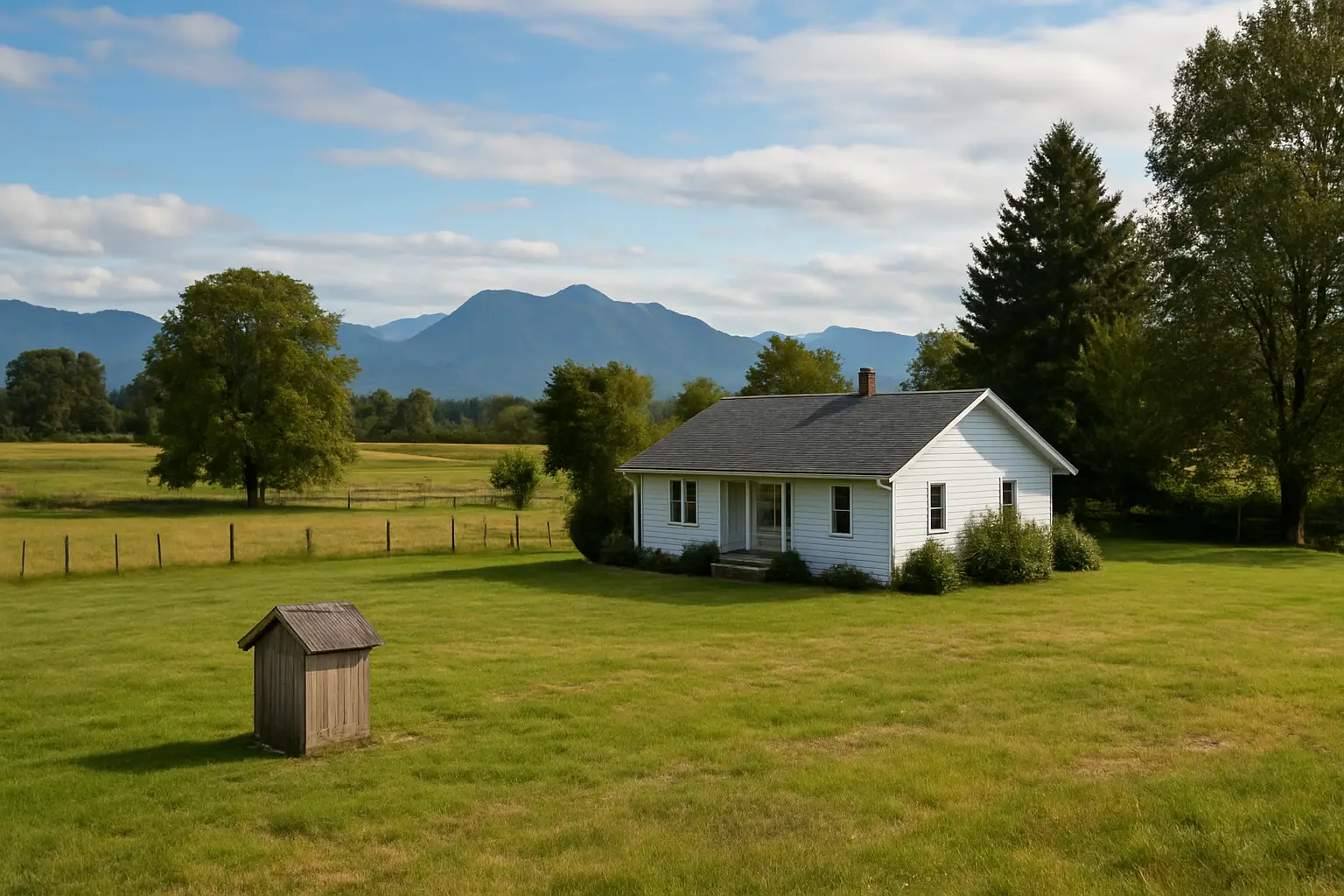
A residential acreage and an operating agricultural property are not necessarily the same insurance situation.
Be clear about what will actually happen on the land.
Possible activities might include:
growing crops;
livestock;
equipment storage;
farm-gate sales;
commercial agricultural activity;
customers visiting the property;
paid workers;
equipment used for business purposes.
Do not describe an active agricultural operation simply as:
“It's just an acreage.”
The insurer needs accurate information.
IBC's consumer guidance emphasizes that policyholders are responsible for providing complete and current information and asking questions about their needs.
Ask
Does the proposed agricultural activity change the type of insurance I should discuss with you?
At what point do you consider the property farm or commercial use rather than ordinary residential use?
Do you need details about equipment?
Do you need information about sales or customers visiting?
Do employees or contractors affect the insurance arrangement?
How are farm buildings treated?
The objective is disclosure, not guessing which insurance category applies.
11. Ask Specifically About Horses and Equestrian Use
A property with a paddock and barn might be used very differently by two buyers.
Buyer A may keep two personal horses.
Buyer B may board horses for other people, offer lessons or run another paid activity.
Those uses are not identical.
If horses are part of your plan, explain what you actually intend to do.
Questions to Ask
Does keeping personal horses affect the policy?
Does the number of animals matter?
Is horse boarding treated differently from keeping your own horses?
Would paid riding lessons or training be considered business activity?
What liability questions should I discuss with you?
How are barns, arenas and related structures handled?
Is equipment related to the activity treated differently?
Do not assume “horse property” is one insurance category.
Describe the activity.
12. Disclose Home-Based Businesses and Rental Uses
This is particularly important on acreages because rural buyers sometimes choose a property partly because it has room for a shop, office or additional accommodation.
The Financial Consumer Agency of Canada says homeowners operating a home-based business must notify their insurer and explains that ordinary home insurance is not the same as business insurance.
FCAC also advises homeowners to tell their insurer when all or part of the home is rented.
Tell the Insurer If You Plan To
run a business from the property;
store business equipment;
have customers visit;
operate from a detached shop;
rent part of the residence;
rent a second dwelling;
use a building for commercial purposes.
Then ask what insurance arrangement applies.
This is more useful than buying a residential policy first and asking questions later.
13. Ask About Older Homes and Renovations
Fraser Valley acreage can include homes from many different construction periods.
An older home might also have decades of additions or upgrades.
Ask what the insurer needs to know about:
electrical systems;
plumbing;
roof age;
heating;
additions;
major renovations;
detached buildings.
IBC explains that property characteristics and systems such as heating can influence how insurers evaluate a home.
Ask the Seller for Useful Records Where Available
Depending on the property, that might include:
renovation permits;
heating documentation;
inspection reports;
invoices;
system replacement dates.
The insurance representative can tell you which documents are relevant to their process.
14. Do Not Confuse Home Insurance With Mortgage Loan Insurance
The terminology can be confusing.
Home or property insurance deals with risks involving the property, belongings, liability and other insured events under the policy. FCAC provides general consumer guidance on this type of insurance.
Mortgage loan insurance is different. CMHC explains that mortgage loan insurance protects the lender against borrower default and is associated with certain mortgage financing situations.
They are not interchangeable.
If someone says:
“You need insurance for the mortgage,”
ask which type of insurance they are talking about.
15. Coordinate With Your Lender Early
Rural property characteristics can matter to financing as well as insurance.
FCAC states that even after mortgage pre-approval, a lender still evaluates whether the property itself meets its standards before final approval. Those standards vary among lenders.
That is a good reason to keep the lender informed when a property includes unusual features.
Ask Your Lender
Do any of the acreage features require additional information?
Does the property type affect the financing approval?
Do you require proof of property insurance?
What information must appear on that confirmation?
When do you need it?
Is there anything my insurer needs to know about the lender?
Are there any conditions that should be resolved before subject removal?
If you are estimating the financing side of the purchase, The Valley Life's mortgage calculator can help you model payments, but property-specific lending approval still needs to come from your lender.
16. Don't Wait Until Completion Week
For a straightforward urban home, insurance may sometimes feel like one of the final administrative items.
A rural property can produce more questions.
For example:
The insurer asks for information about a wood stove.
Then you discover the seller does not have documentation.
Or:
The insurer asks how the detached shop is used.
Then you realize your intended business operation needs a separate conversation.
Or:
Your lender has a property-related question.
Now the insurer and lender both need additional information.
Starting earlier gives you time to resolve questions while your purchase conditions can still protect your decision.
A Practical Pre-Subject Insurance Process
Step 1: Identify the Actual Property
Have the correct:
civic address;
property description;
approximate acreage;
dwelling information.
Step 2: List the Rural Features
Write down anything that makes the property different from a standard urban house.
For example:
7 acres;
private well;
septic;
wood stove;
propane;
detached barn;
workshop;
two horses;
300-metre driveway.
That gives your insurance representative a much clearer starting point.
Step 3: Describe Your Intended Use
Do not discuss only what the seller currently does.
Explain what you plan to do.
Examples:
“We will live in the home and keep two personal horses.”
“I intend to operate my contracting business from the detached shop.”
“We plan to rent the secondary dwelling.”
Those details can matter.
Step 4: Ask About Hazards
Use PreparedBC's current hazard resources to identify questions worth asking for the location.
Step 5: Ask What Documentation Is Required
The insurer may or may not need additional records.
Find out instead of assuming.
Step 6: Coordinate With the Lender
Ask what insurance information your lender needs and the deadline for providing it.
Step 7: Resolve Material Questions Before Subject Removal
If obtaining acceptable insurance arrangements is essential to your purchase, discuss the timing and wording of your purchase conditions with the professionals representing you.
The Valley Life's Fraser Valley buyer resources explain how financing, property evaluation and due diligence fit within the wider buying process.
Rural Home Insurance Checklist for Fraser Valley Acreage Buyers
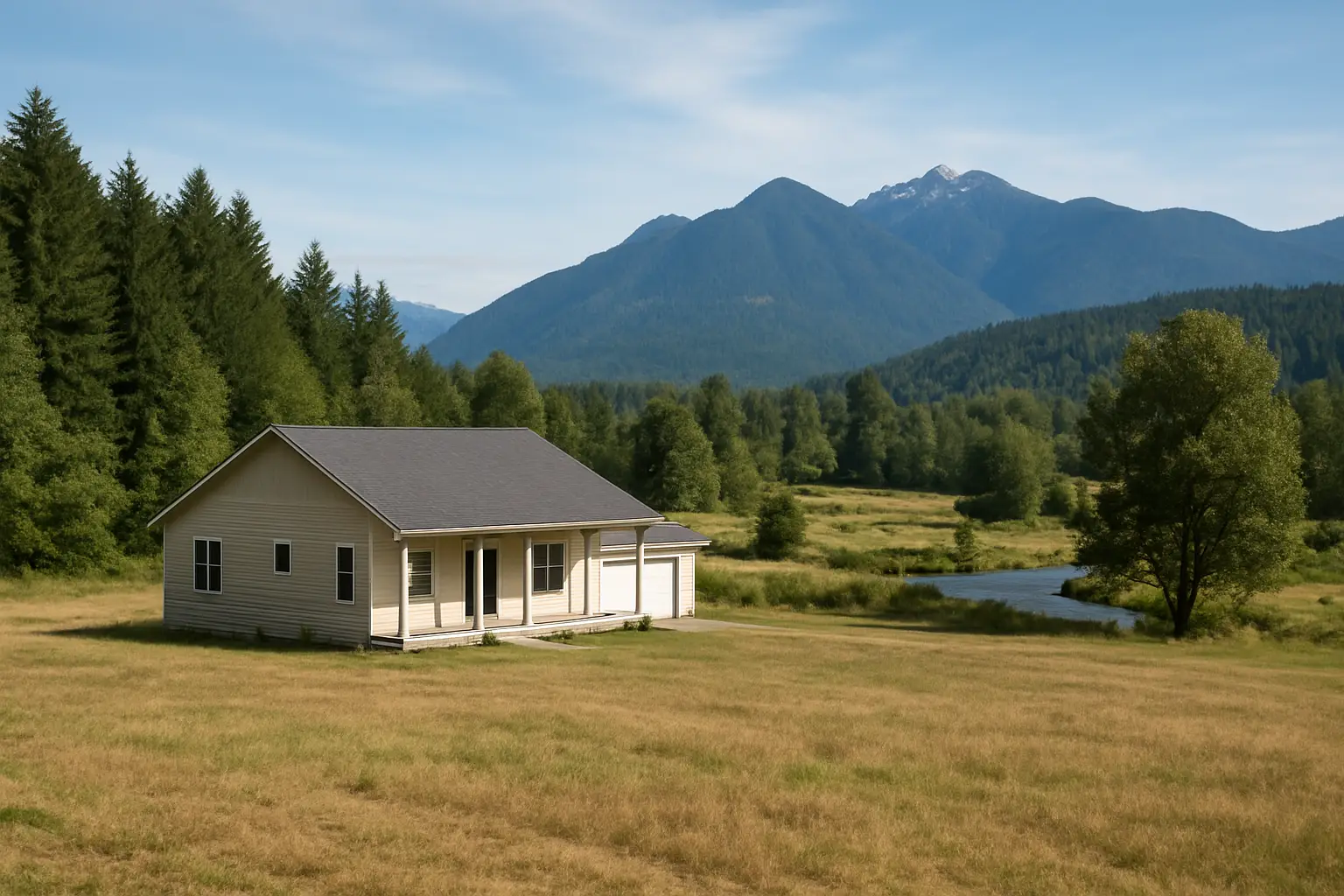
Use this checklist when an acreage moves from “interesting listing” to “property I may actually buy.”
Property Basics
Confirm the exact property address.
Confirm approximate acreage.
Tell the insurer the age and type of residence.
Disclose significant additions and renovations.
Ask what property information or inspection documents are required.
Access
Explain whether access is public, private or shared.
Describe a long, steep or unusual driveway.
Ask whether year-round access matters.
Ask whether gates or restricted access require additional information.
Heating
Identify the primary heating system.
Disclose wood stoves and fireplaces.
Disclose propane or other fuel systems.
Ask whether inspections or documentation are required.
Outbuildings
List barns.
List workshops.
List detached garages.
List sheds or other significant structures.
Explain how each major structure will be used.
Ask how the proposed insurance arrangement treats each one.
Water and Septic
Tell the insurer if the property has a private well.
Tell the insurer if it uses an onsite septic system.
Ask what information is required.
Ask specifically about water, backup and equipment-related scenarios you want to understand.
Flood and Water
Check government hazard information for the location.
Ask about overland flood.
Ask about sewer or septic backup.
Ask about other types of water damage relevant to the property.
Confirm what is included, optional or unavailable rather than assuming.
Wildfire
Identify significant vegetation around the residence.
Ask whether wildfire exposure affects the insurer's assessment.
Ask whether FireSmart information is relevant.
Ask about any wildfire-specific terms or requirements.
Farm and Equestrian Use
Explain any agricultural activity.
Disclose livestock or horses.
Explain whether animals are personal or part of a business.
Disclose horse boarding, lessons or paid activities.
Ask whether the planned activity requires a different insurance discussion.
Business and Rental Use
Disclose a home-based business.
Disclose business equipment stored on the property.
Disclose customers or clients visiting.
Disclose rental use.
Ask whether separate business or other protection needs to be discussed.
Lender
Tell the lender about unusual rural-property features.
Ask what insurance confirmation is required.
Ask when it must be provided.
Confirm outstanding lender and insurer questions before your purchase deadlines.
Questions to Ask an Insurance Broker or Insurer
Instead of asking only:
“Can you insure this acreage?”
consider asking:
About the Property
What information do you need before confirming the insurance options for this address?
Are there features of this property that require additional review?
Do you need an inspection?
About Buildings
How should I describe the barn, workshop and other detached structures?
Do you need their size, age, construction or use?
Is equipment stored in them something I need to discuss separately?
About Heating
Does the wood stove require documentation or inspection?
What information do you need about propane or other fuel systems?
About Water
What types of flood and water protection should I specifically ask you about?
How is overland water treated?
How is sewer or septic backup treated?
About Rural Use
Does keeping horses affect the policy?
What changes if horses are boarded for other people?
Does farm activity change the insurance arrangement?
What changes if I operate a business from the shop?
About Timing
What must be completed before you can confirm the insurance arrangement?
What documents should I obtain from the seller?
When can you provide the documentation my lender may require?
Those answers are far more useful than a generic online estimate.
Frequently Asked Questions
Is It Harder to Insure an Acreage in BC?
There is no universal answer. Insurers assess the individual property and policy application. Rural homes can have features such as additional structures, wood-burning appliances, different access arrangements and business or agricultural uses that should be disclosed and discussed. IBC identifies several of these property characteristics as relevant to an insurer's assessment.
Does a Wood Stove Affect Rural Home Insurance?
It can be relevant to underwriting. IBC specifically advises buyers to speak with their insurer before purchasing a property with a wood stove and notes that an inspection may be required.
Can You Insure a Fraser Valley Home With a Well and Septic System?
Buyers should discuss the actual well and onsite sewage system with the insurer rather than assume a particular result. BC regulates qualifying onsite sewage systems through the Sewerage System Regulation, but insurance terms remain property- and insurer-specific.
Is Flood Insurance Automatically Included in BC Home Insurance?
Buyers should not assume that. BC government guidance says flooding and overland water damage are commonly optional matters that should be specifically discussed with the insurance provider.
Is Wildfire Covered by Home Insurance?
FCAC says home policies may cover certain unexpected events including fire and wildfire, but policies can contain different terms, limits and exclusions. Buyers should ask their insurer what the proposed policy for the specific property actually provides rather than relying on a general statement.
Does a Barn Automatically Come With the House Insurance?
Do not assume so. IBC identifies additional structures as information an insurer may consider when evaluating a property. Describe each significant structure and its use to the insurer and ask how it would be treated.
Should I Tell the Insurer That I Have Horses?
Yes, provide accurate information about how you intend to use the property. The questions may differ depending on whether animals are kept personally or connected with a paid activity. IBC's consumer code stresses providing accurate and up-to-date information to the insurer.
What If I Run a Business From My Acreage?
Tell the insurer. FCAC states that homeowners with a home-based business must notify their insurer and explains that ordinary home insurance is not the same as business insurance.
Should I Arrange Insurance Before Removing Subjects?
If your purchase depends on being able to obtain acceptable insurance arrangements, it is sensible to investigate that question while purchase conditions are still being addressed. Your real estate, insurance, lending and legal professionals can advise you on the timing appropriate to your transaction.
Does Mortgage Pre-Approval Mean the Acreage Is Approved?
No. FCAC states that lenders still assess whether the specific property meets their standards before approving the loan, and standards vary among lenders.
Is Mortgage Loan Insurance the Same as Home Insurance?
No. Home insurance relates to the property and other risks addressed by its policy, while mortgage loan insurance protects a mortgage lender against borrower default in qualifying financing situations.
Before Removing Subjects, Get Answers for the Actual Acreage
The useful question is not:
“Can rural homes in the Fraser Valley be insured?”
It is:
“What does an insurer need to know about this exact property, my intended use and the risks that matter to me?”
Start with the house.
Then discuss the whole acreage.
Tell the insurer about the:
driveway and access;
heating systems;
barns and workshops;
private well;
septic system;
wildfire and flood context;
horses or livestock;
agricultural activity;
business use;
rental use.
Then coordinate that conversation with the lender's property requirements and your purchase deadlines.
You do not need to predict what an insurer will decide.
You need to provide accurate information and ask the questions early enough to make an informed purchase decision.
When comparing properties, explore current Fraser Valley acreage listings, then make insurance and financing questions part of your due diligence rather than leaving them until completion.
The goal is not simply to find a rural home you want to buy.
It is to reach subject removal understanding how the property will be used, what questions remain, and whether your insurance and financing arrangements have been properly addressed for that specific Fraser Valley acreage.
 The data relating to real estate on this website comes in part from the MLS® Reciprocity program of either the Greater Vancouver REALTORS® (GVR), the Fraser Valley Real Estate Board (FVREB) or the Chilliwack and District Real Estate Board (CADREB). Real estate listings held by participating real estate firms are marked with the MLS® logo and detailed information about the listing includes the name of the listing agent. This representation is based in whole or part on data generated by either the GVR, the FVREB or the CADREB which assumes no responsibility for its accuracy. The materials contained on this page may not be reproduced without the express written consent of either the GVR, the FVREB or the CADREB.