.png)

Buying a rural property in the Fraser Valley involves due diligence that many urban homebuyers never have to consider. One of the most important examples is the onsite septic system.
If a property is not connected to municipal sewer service, household wastewater may be handled by a private sewerage system. The Fraser Valley Regional District confirms that many residences in its electoral areas rely on private septic systems.
That means a buyer should understand more than whether the toilets flush on viewing day.
A septic inspection before buying Fraser Valley acreage can help you understand how the system is configured, whether useful records exist, how it has been maintained, whether there are visible concerns, and whether further investigation should happen before you remove your conditions.
If you are currently comparing rural properties, start by browsing Fraser Valley acreage listings. Once a particular property becomes serious enough for an offer, septic due diligence should become part of the conversation.
What Is a Septic System on a Rural Property?
A septic system treats household wastewater onsite rather than sending it through a municipal sewer network.
In B.C.'s Sewerage System Regulation, a sewerage system generally includes a treatment method together with a discharge area. The regulation distinguishes these systems from holding tanks and establishes requirements concerning construction, maintenance, filing and certification.
For a buyer, the practical issue is simple:
The septic system is an important part of the property, even though much of it may be underground and invisible during a normal showing.
A clean kitchen, renovated bathroom or recently landscaped yard does not tell you what condition the septic system is in.
Should You Get a Septic Inspection Before Buying an Acreage in BC?
For a rural property that relies on an onsite sewerage system, a septic inspection can be an important part of buyer due diligence.
The FVRD specifically provides resources addressing septic inspection, maintenance, system failure, and buying or selling a home with a septic system.
A general home inspection and a septic-system assessment also serve different purposes. Do not assume that a standard home inspection automatically provides a detailed assessment of the underground wastewater system.
Before making your inspection plans, ask:
Is the property connected to municipal sewer or a private septic system?
What type of system serves the property?
Where are the tank and dispersal area located?
Are plans or other system records available?
When was the system installed?
Has it been repaired, altered or replaced?
Who has maintained it?
Are maintenance and pumping records available?
Has the home's use changed since the system was installed?
Does the system serve anything besides the primary residence?
Answers to these questions help determine how much additional investigation is appropriate.
1. Ask for the Septic System Records
Documentation is one of the best places to begin.
Under B.C.'s current Sewerage System Regulation, an authorized person constructing a sewerage system must file specified information with the health authority before construction. That filing includes information about the site and plans and specifications for the proposed system.
Following construction, the regulation also requires certification documentation. The owner is to receive items including the system plans and specifications, a maintenance plan and a copy of the certification letter.
For a property you are considering, ask the seller for whatever records are available, including:
Septic plans or as-built information
These documents may help identify where major components are located and how the system was designed.
Letter of certification
Where applicable, certification records can provide useful background about the system when it was constructed.
Maintenance plan
A maintenance plan can tell you what the particular system requires rather than relying on generic septic advice.
Maintenance history
B.C.'s regulation requires owners to maintain sewerage systems according to their maintenance plan and keep records of that maintenance.
Repair and alteration records
Ask whether the tank, piping, treatment equipment or dispersal area has been altered or repaired.
If documents cannot be produced, do not automatically assume either that the system has failed or that everything is fine. Treat the missing information as something that needs to be understood during your due diligence.
2. Confirm Where the Septic Components Are Located
Buyers should know where the system actually sits on the acreage.
Depending on the system, relevant components can include the septic tank, treatment equipment, pumps, piping and the dispersal area.
Knowing the location matters because future plans for the property may interact with the septic system.
For example, before assuming you can add a workshop, pool, driveway, addition or secondary structure in a particular location, determine whether that area conflicts with the existing wastewater system.
This becomes particularly important on acreage because a large parcel does not automatically mean every part of the land is available for development.
3. Have the System Assessed by an Appropriate Septic Professional
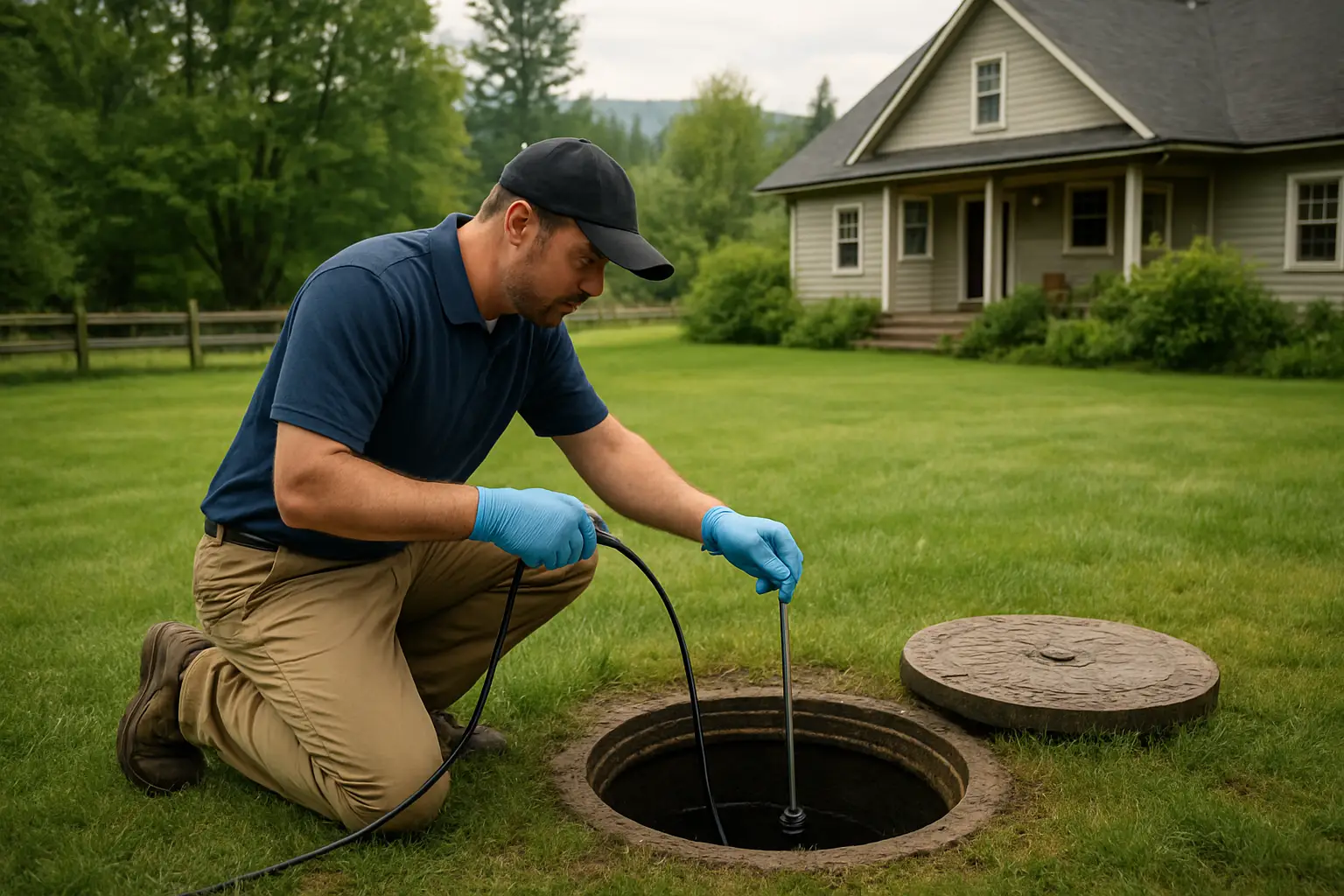
A seller saying that the septic system "works fine" is not the same as an independent assessment.
B.C.'s Sewerage System Regulation defines qualifications for people who construct and maintain regulated sewerage systems, including registered practitioners and qualified professionals.
For purchase due diligence, discuss the property with an appropriately qualified septic professional and determine what level of inspection is suitable for that particular system.
An assessment may consider factors such as:
the accessible condition of the tank and components;
the condition of visible pipes, lids or equipment;
evidence suggesting leakage or improper discharge;
operation of pumps or treatment components where applicable;
the apparent condition of the dispersal area;
maintenance history;
system configuration;
signs of previous repairs or alterations; and
whether additional investigation is recommended.
The exact inspection procedure should be determined by the professional evaluating the property.
4. Do Not Confuse Pumping With an Inspection
One common mistake when buying a rural property is treating a recent septic pump-out as proof that the entire system is healthy.
They are not the same thing.
Pumping is a maintenance activity. A septic-system inspection is intended to help evaluate the system and identify issues that may warrant attention.
Ask separately:
When was the tank last pumped?
and:
When was the septic system last professionally assessed?
A receipt showing that a tank was recently pumped can be useful maintenance history, but buyers should not treat it as a substitute for the level of inspection appropriate to the transaction.
5. Look Beyond the Tank to the Dispersal Area
The septic tank receives much of the attention because it is the component buyers recognize. However, wastewater also needs to be treated and discharged appropriately through the overall system.
B.C.'s regulation defines a sewerage system as incorporating both treatment and a discharge area.
That is why due diligence should not stop once somebody locates the tank.
Ask the septic professional about the dispersal area and whether anything observed on the property warrants further investigation.
This can be particularly important when landscaping, driveways, heavy equipment, structures or previous site work have changed how the land around the system is used.
6. Ask Whether the Home Has Changed Since the Septic System Was Installed
A rural house may look very different today than it did when its septic system was originally designed.
Ask whether the property has undergone changes such as:
additional bedrooms;
major additions;
conversion of unfinished space;
secondary accommodation;
additional plumbing fixtures;
significant renovations; or
another building connected to the wastewater system.
The purpose is not to assume that any renovation creates a septic problem. It is to make sure the property's present use is understood in relation to the system serving it.
If there is uncertainty, ask the appropriate septic professional and your real estate advisers what additional documentation or review is prudent.
7. Consider the Well and Septic System Together
Many rural buyers are investigating both private wastewater and private water at the same property.
These systems should not be evaluated as unrelated features.
B.C.'s rules and technical guidance address separation of sewerage systems from domestic water sources and other site constraints.
If the acreage has a private well, make sure your due-diligence team understands the locations of both the well and septic components.
A septic inspection does not replace appropriate investigation of the property's drinking-water source, and vice versa.
8. Pay Attention to What Is Happening on the Ground
Documents are valuable, but they should be considered alongside the actual property.
During viewings and inspections, point out anything unusual to the appropriate professional.
Examples worth asking about can include unexplained wet areas, unusual odours, areas of the yard whose use seems inconsistent with the septic layout, or evidence of significant work near the septic components.
Do not diagnose the problem yourself based on appearance alone. The goal is to identify questions that deserve professional assessment before purchase.
9. Understand Who Regulates Septic Systems in the Fraser Valley
The regulatory picture is worth understanding because buyers sometimes assume septic matters are handled exactly like municipal sewer connections.
The Fraser Valley Regional District states that many residences in its eight electoral areas use private septic systems and identifies the Fraser Health Authority as the regulator for those systems.
Provincial requirements are established through B.C.'s onsite sewage framework and the Sewerage System Regulation.
Useful official resources include:
When dealing with a specific property, current requirements and available records should be confirmed with the appropriate authority or qualified professional rather than relying solely on general online information.
10. Make Septic Due Diligence Part of the Offer Strategy
The ideal time to discover a major septic concern is before you are fully committed to the purchase, not after possession.
How inspection conditions should be drafted depends on the transaction. Your Realtor and, where appropriate, legal adviser should help you determine suitable contract language.
Depending on the property and findings, due diligence may include time to:
obtain available septic records;
identify the system and its components;
arrange a septic inspection;
review the maintenance history;
investigate concerns identified by the inspector;
obtain additional professional opinions or estimates where necessary; and
decide whether you remain comfortable proceeding with the purchase.
If you are unfamiliar with rural transactions, review the broader process for buying a home in the Fraser Valley before writing an offer.
How Can Septic Condition Affect an Acreage Offer?
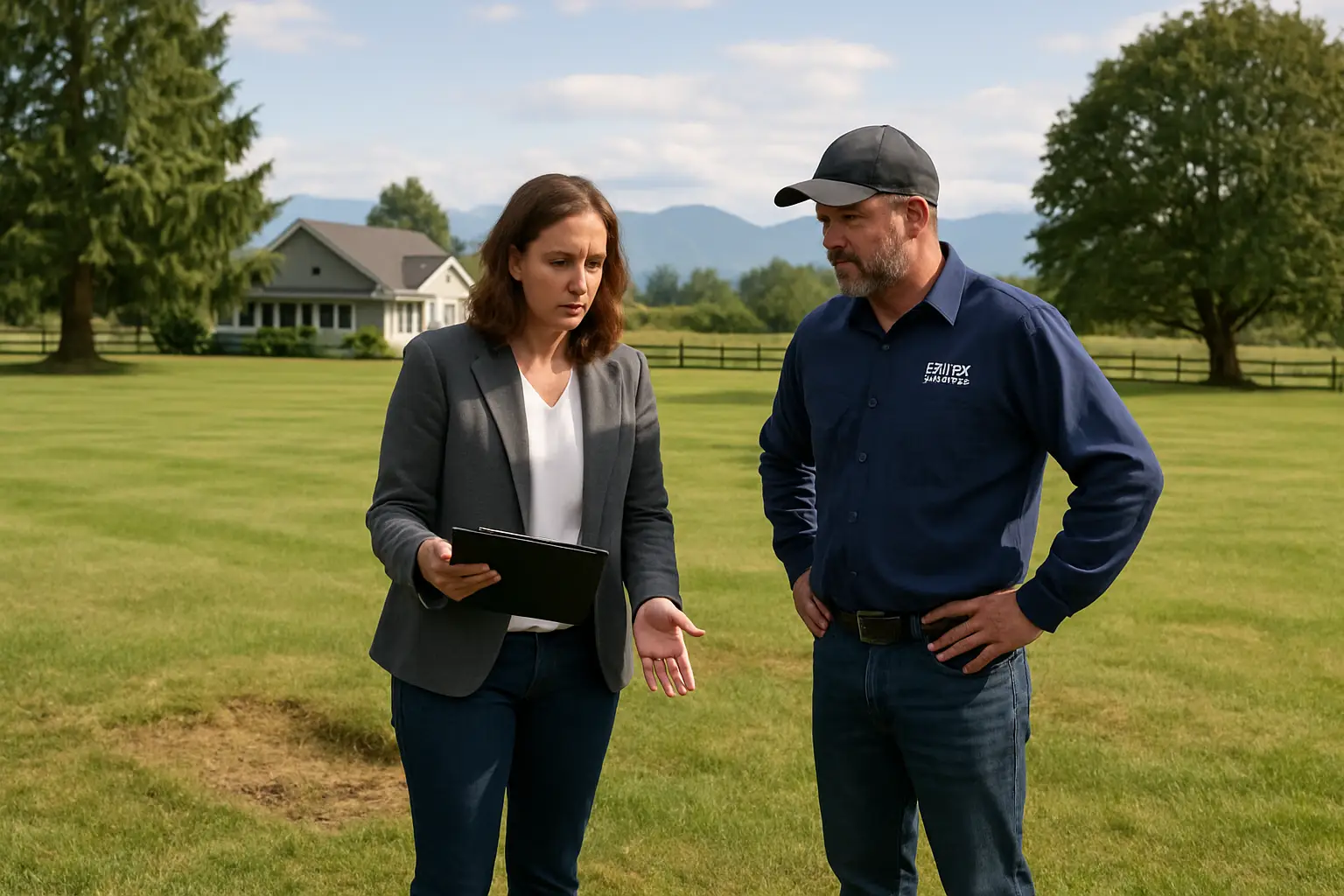
A septic inspection is not simply about deciding whether a system "passes" or "fails."
The findings can affect several parts of a purchase decision.
Your immediate budget
If work is recommended, buyers need to understand what they may be taking on after possession.
Your offer decisions
Depending on the contract, timing and professional advice, significant findings may influence whether a buyer proceeds, seeks additional information, discusses a resolution with the seller or revisits the economics of the transaction.
Your plans for the property
A system's location and configuration can matter if you intend to significantly renovate, expand or change how the land is used.
Your tolerance for uncertainty
A buyer purchasing an older rural property with limited system documentation may view risk differently from someone purchasing a recently constructed acreage with comprehensive records.
The important point is to make that decision knowingly.
Septic Inspection Checklist for Fraser Valley Acreage Buyers
Before removing a septic-related inspection condition, consider whether you have answers to the following questions:
Records
Do we know what type of septic system serves the property?
Are plans or system drawings available?
Is certification documentation available where applicable?
Is there a maintenance plan?
Are maintenance records available?
Are there records of repairs or alterations?
Property
Do we know where the tank is?
Do we know where the dispersal area is?
Does the property also rely on a private well?
Have additions or renovations changed the home's use?
Are there structures or site improvements near septic components?
Inspection
Has an appropriate septic professional inspected the system?
Were all relevant accessible components considered?
Did the professional identify concerns requiring further investigation?
Is additional testing or specialist assessment recommended?
Offer
Does the purchase contract give us sufficient time to complete our due diligence?
Do we understand any recommended work?
Have we obtained additional information or estimates where appropriate?
Are we comfortable with the condition of the system and any remaining uncertainty?
Frequently Asked Questions About Septic Inspections on Fraser Valley Acreage
Do I need a septic inspection before buying acreage in the Fraser Valley?
If the property uses a private septic system, arranging an appropriate septic assessment can be an important part of buyer due diligence. The scope should reflect the particular system and property.
Is a septic inspection included with a regular home inspection?
Do not assume it is. Confirm exactly what your home inspector covers and arrange separate septic expertise when necessary.
What septic records should I ask the seller for?
Ask for available plans, certification documents, maintenance plans, maintenance records, pumping records, and information concerning repairs or alterations. B.C.'s current regulation contains specific requirements concerning system filings, certification and maintenance documentation.
Does a recently pumped septic tank mean the system is in good condition?
Not necessarily. Pumping is maintenance and does not by itself provide the same information as an inspection of the broader system.
Who regulates private septic systems in the Fraser Valley?
The FVRD states that private septic systems in its electoral areas are regulated by Fraser Health, while provincial requirements are set through B.C.'s onsite sewage regulatory framework.
Can septic problems affect my offer?
They can affect your assessment of the property's cost, risk and suitability. How inspection findings are addressed contractually should be discussed with your Realtor and legal adviser based on the specific transaction.
Buying Fraser Valley Acreage? Investigate the Septic System Before Removing Conditions
A Fraser Valley acreage may offer privacy, land and a rural lifestyle that is difficult to find in a conventional subdivision. But rural ownership also means understanding systems that homeowners connected to municipal services rarely need to think about.
The septic system deserves proper attention.
Ask for records. Understand what serves the property. Locate the major components. Bring in appropriate expertise. Review the findings before making your final decision.
If you are still searching, browse current Fraser Valley acreage listings.
If you have found a rural property and want help thinking through the buying process before writing or finalizing an offer, talk with The Valley Life team.
Browse Fraser Valley acreage listings or speak with the team before writing an offer on a rural property.
 The data relating to real estate on this website comes in part from the MLS® Reciprocity program of either the Greater Vancouver REALTORS® (GVR), the Fraser Valley Real Estate Board (FVREB) or the Chilliwack and District Real Estate Board (CADREB). Real estate listings held by participating real estate firms are marked with the MLS® logo and detailed information about the listing includes the name of the listing agent. This representation is based in whole or part on data generated by either the GVR, the FVREB or the CADREB which assumes no responsibility for its accuracy. The materials contained on this page may not be reproduced without the express written consent of either the GVR, the FVREB or the CADREB.